
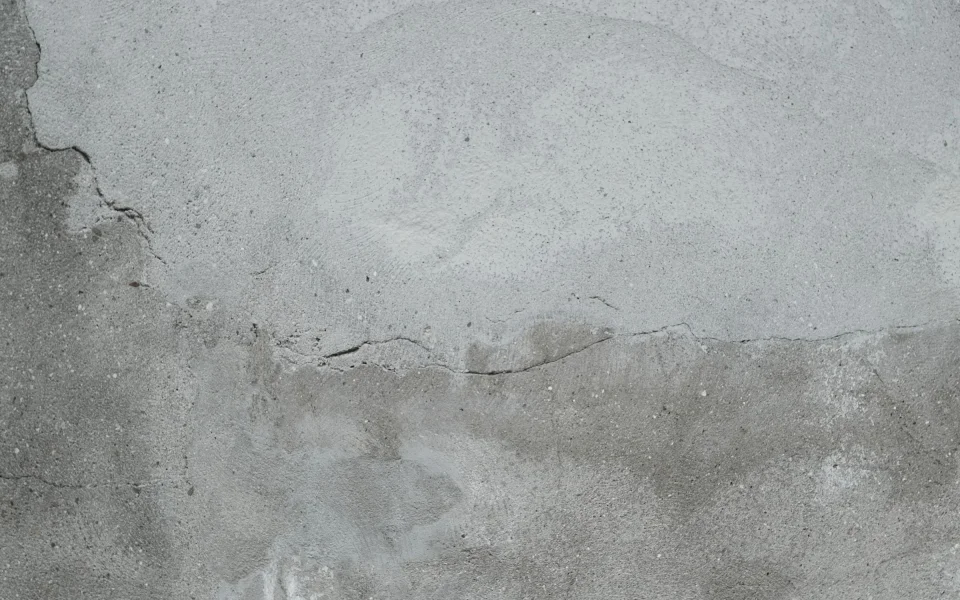
Foundation Crack Repair
Foundation crack evaluation and repair coordination for Bergen County homeowners. Epoxy injection, polyurethane foam for active leaks, carbon fiber reinforcement, and waterproofing — managed by a registered NJ contractor.
Foundation Crack Repair & Sealing
Foundation cracks — whether hairline or actively leaking — require professional evaluation before any repair decision. Bergen Restoration assesses crack width, pattern, and moisture conditions, then coordinates the appropriate repair method: epoxy injection for stable cracks, polyurethane foam for active seepage, carbon fiber reinforcement where lateral movement is a concern, and waterproofing membrane over repaired sections. When drainage is the root cause of water pressure, we coordinate that work as well.
- Crack evaluation — width, pattern, and moisture assessment
- Epoxy injection coordination for stable, non-active cracks
- Polyurethane foam injection for active or leaking cracks
- Crack routing and surface sealing
- Interior carbon fiber strap reinforcement where appropriate
- Waterproofing membrane application over repaired sections
- Drainage coordination when water infiltration accompanies cracking
- Structural engineering referral when cracks suggest movement or settlement
Bergen Restoration does not perform structural engineering. Where cracks suggest structural movement or settlement, we coordinate referral to a licensed structural engineer as part of the evaluation.
Foundation and drainage work should solve the source before damaged interiors are rebuilt. Bergen Restoration can coordinate the water-control work with broader home restoration when repairs extend inside the house.
Serving homeowners throughout all 70 Bergen County municipalities. View our Bergen County service areas.
Foundation Crack Repair Guides
Diagnosing the crack and picking the fix that actually stops the leak.
Crack Evaluation & Diagnosis
- Width, pattern, and direction tell the story: vertical hairlines are usually shrinkage; horizontal or stair-step patterns get structural attention.
- Moisture history matters as much as geometry — a dry stable crack and a seeping one get different repairs entirely.
- Monitoring marks a questionable crack across a season before anyone sells you a structural solution for a cosmetic problem.
- Photos and width measurements at first visit create the baseline every later judgment compares against.
- Interior finish clues — sticking doors, drywall cracks above the line — get read together with the crack itself.
Planning a project like this? Get an estimate.
Epoxy Injection (Stable Cracks)
- Injection ports and surface seal come first; the epoxy then fills the full crack depth, welding the concrete back to monolithic strength.
- Epoxy is for stable, dry cracks — injecting an actively moving or wet crack with rigid resin fails on schedule.
- Cure time and port removal finish the job, leaving a repair stronger than the surrounding concrete.
- Injection is full-depth through the wall, not a surface bead — the difference between repair and cosmetics.
- Cured epoxy restores monolithic strength across the crack plane, typically stronger than the surrounding pour.
Planning a project like this? Get an estimate.
Polyurethane Injection (Active Leaks)
- Hydrophilic polyurethane chases water through the crack and expands into a flexible gasket — designed for the leak epoxy cannot handle.
- The flexible cure moves with seasonal wall movement instead of cracking beside the old repair.
- Injection under pressure reaches the full depth, sealing the path exterior water actually uses.
- Ports are set to chase the crack's actual path, which rarely runs straight through the wall.
- The flexible cure tolerates the seasonal movement that would crack a rigid repair beside the old line.
Planning a project like this? Get an estimate.
Carbon Fiber Reinforcement
- Carbon-fiber straps bond across the crack and refuse elongation — movement stops without excavation or wall rebuilds.
- Straps are engineered to spacing and wall condition; a bowing wall gets a designed layout, not a strap wherever the crack shows.
- The low-profile finish parges over cleanly — reinforcement that disappears into a finished basement wall.
- Straps are spaced per engineering guidance for the wall's condition — layout is calculated, not eyeballed.
- Installed straps disappear under parge or finish, keeping repaired basements finishable.
Planning a project like this? Get an estimate.
Drainage Root-Cause Resolution
- Crack injection without fixing hydrostatic pressure is a temporary seal — water finds the next path through the wall.
- Exterior or interior drainage upgrades (tile, sump, grading) are scoped with the crack repair when pressure is the driver.
- Gutters, downspouts, and surface grade are checked first; many “foundation cracks” start as roof water at the footing.
- Downspout extensions and grading fixes are checked first — the cheap half of drainage resolution solves many wet cracks alone.
- Where hydrostatic pressure drives water, interior drain-and-sump systems relieve it permanently rather than fighting each crack in sequence.
Planning a project like this? Get an estimate.
Cost & Timeline Guide
- Single epoxy injections $400–$900; active-leak polyurethane and carbon fiber straps stack per crack; drainage tie-ins $4k–$12k+ change the job class.
- Hydrostatic pressure without a drainage fix makes crack injection a temporary seal — plan the wall and the water path together.
- Interior injection is often a short visit; exterior excavation and drainage extend schedule and town permit needs.
- Multiple cracks repaired in one mobilization cost meaningfully less per crack than serial one-off visits.
- Repairs are typically done in hours, cured in days — scheduling around basement projects is straightforward.
Planning a project like this? Get an estimate.
Your Foundation Crack Repair Process
Inspect & diagnose
Evaluate crack width, pattern, location, and whether water is present or seeping. Determine whether the crack is structural, cosmetic, or moisture-driven.
Select repair method
Recommend epoxy, polyurethane, carbon fiber reinforcement, or engineering coordination based on findings. We explain the options before anything is scheduled.
Prep & seal
Clean the crack, install injection ports where applicable, inject sealant, and apply surface seal. Carbon fiber straps installed where lateral pressure is a concern.
Waterproof & coordinate drainage
Apply waterproofing membrane over repaired sections. If water pressure from drainage is the root cause, coordinate French drain, sump pump, or yard drainage work.
Frequently Asked Questions
Hairline cracks (less than 1/8 inch) are usually cosmetic. Cracks wider than 1/4 inch, cracks that leak water, horizontal cracks, or step-crack patterns that suggest settlement or structural stress need professional evaluation.
In many cases, yes. Interior epoxy or polyurethane injection addresses most non-structural cracks from inside the basement. Active or leaking cracks may benefit from injection combined with exterior waterproofing or drainage work, depending on the source of water pressure.
Epoxy seals stable hairline cracks. Polyurethane foam injection works on active leaks. For best long-term results, crack repair is paired with exterior waterproofing or drainage upgrades where water pressure is the root cause.
Yes. Finish basement walls only after cracks are evaluated and sealed. Finishing over an active leak wastes the investment and risks water damage to new flooring, framing, and drywall.
Yes. Bergen Restoration is a registered New Jersey Home Improvement Contractor (NJHIC# 13VH08865500) with commercial general liability and workers’ compensation coverage; documentation available on request.
Polyurethane stays flexible and is the go-to for leaking cracks — it expands and seals against water. Epoxy is structural: it welds the crack solid and restores strength. Wet crack that moves seasonally gets polyurethane; a structural crack gets epoxy, sometimes with reinforcement.
When the wall itself is moving — horizontal cracks, bowing, or stair-step cracks that keep widening. Injection alone seals those but doesn't stop the movement; carbon-fiber straps or steel reinforcement hold the wall. We tell you which situation you have, not the more expensive one by default.
Horizontal cracking, walls bowing more than an inch, cracks that widen season over season, or doors and windows going out of square above the crack. In those cases we recommend an independent engineer's assessment before repair — you should scope from their findings, not a contractor's guess.
It fixes water coming through that crack. If water also enters at the cold joint, floor, or windows, crack repair is one piece — see our basement waterproofing page for how full systems work. We diagnose the actual entry paths before quoting.
Crack length and width, wet or dry at repair time, access (finished vs unfinished basement), and whether reinforcement is needed. Single-crack injections are among the most affordable structural repairs; reinforcement scales the price.
Most injections finish in hours and cure within a day or two. Once repaired — and once any broader moisture issues are handled — finishing can proceed; that's the right order, which is why we check foundations before any basement build-out.
Hairline leaks and non-structural cracks can usually be injected. A crack that is widening, stepping, or moving the wall is a structural repair that a tube of crack filler can’t handle. We look at width, pattern, and whether it is still leaking.
Sudden impact can be a claim. Settlement, age, and a crack that has been there for a while are usually treated as maintenance. The insurer decides. We document the crack; we do not file the claim for you.
A stable hairline crack is a repair, not an evacuation. A wall that is bowing, a crack that grows, or a door that suddenly will not close is a structural problem. We measure and tell you which.
Part of our Water & Drainage family. See also Basement Waterproofing, Yard Drainage & Downspout Systems, and French Drain Installation.
Get Your Estimate
Tell us about your foundation crack or moisture concern. We’ll follow up with the next best step.
Commercial general liability and workers’ compensation coverage. Documentation available on request.
Let’s Talk About Your Project
Tell us what you have in mind — we’ll follow up with a plan.