
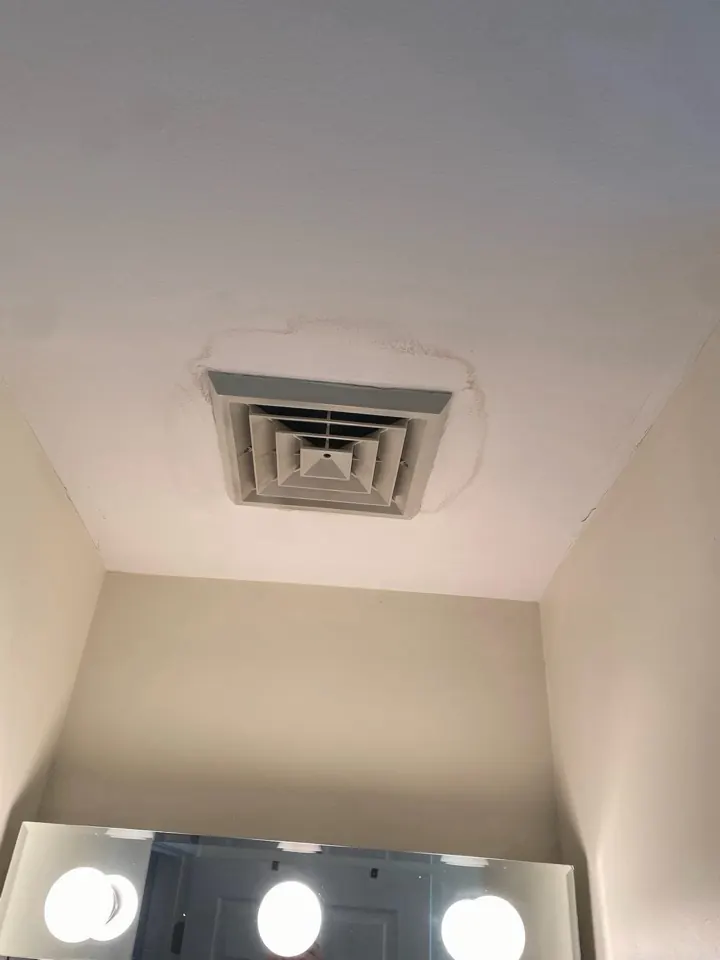
Water Damage Restoration
24/7 intake, measured drying, and one crew through rebuild — from the first wet hour to finished rooms, with documentation your adjuster can actually use.
Complete Water Damage Recovery
Water damage requires fast, organized response. We handle emergency dry-out, damaged material removal, structural assessment, and full rebuild — coordinating with insurance when needed so your home is restored properly.
- Emergency water extraction & dry-out
- Damaged drywall & flooring removal
- Moisture control to reduce mold-conducive conditions
- Structural assessment & repair
- Full rebuild & finish restoration
- Insurance documentation & support
When water damage turns into a larger repair or renovation, our Bergen County home restoration work can carry the project from damaged-material removal and structural repair through the finished rebuild.
Serving homeowners throughout all 70 Bergen County municipalities. View our Bergen County service areas. See the Fort Lee water damage restoration — emergency extraction through a rebuilt kitchen — for how the process actually lands.
Related services: Gutter Replacement & Downspout Systems, Basement Waterproofing, Foundation Crack Repair, and Siding Repair & Replacement.
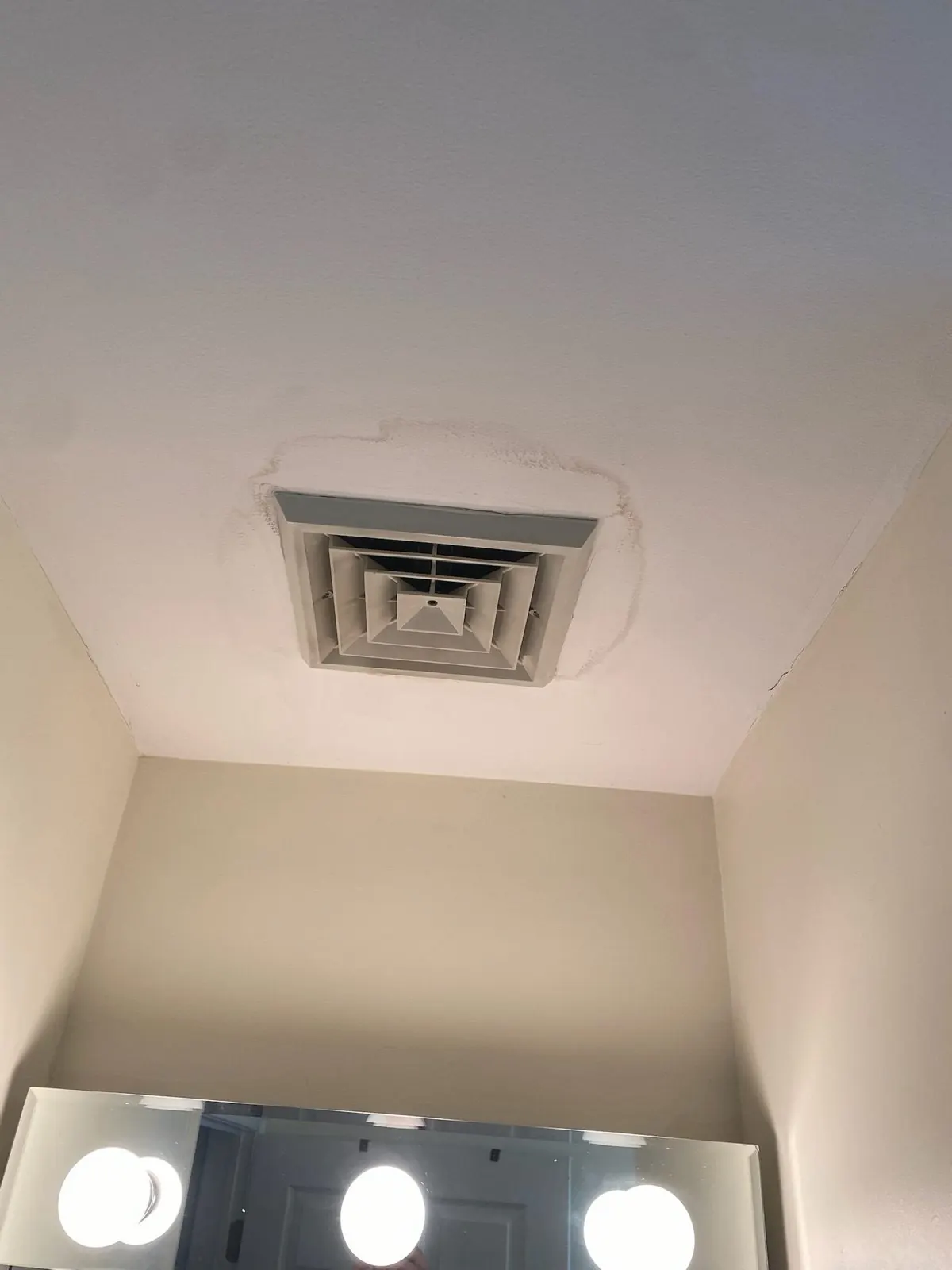
From Emergency to Rebuilt
24/7 response, insurance coordination, and full-service restoration from drying through rebuild.
24/7 Response
Water damage gets exponentially worse with time. Mold can begin within 24–48 hours. Fast response is the difference between a mitigation job and a rebuild.
- Call immediately: (862) 420-0509 for 24/7 emergency intake across Bergen County (same-day or next-day response typical when crews and site conditions allow).
- Stop the source: shut off water main, turn off electricity to affected areas, move valuables.
- Document: photo everything before anyone touches it (for insurance).
- Contact insurance: start claim same day; delays can affect coverage.
- On-site response: typically within 1–4 hours during business hours, same-day after hours.
- Initial scope: extraction, dry-out equipment, emergency tarping or board-up.
Planning a project like this? Get an estimate.
Insurance Coordination
Water damage claims are paperwork-heavy. Proper documentation and coordination with your adjuster determines what gets covered.
- Claim initiation: contact insurance within 24–48 hours of discovery.
- Documentation package: photos, videos, moisture readings, scope of damage.
- Adjuster visit: we meet the adjuster on-site with documentation ready.
- Scope alignment: written scope agreed between adjuster and restoration team.
- Direct billing: we often bill insurance directly (with homeowner's deductible).
- Supplement requests: additional damage discovered during work gets filed as supplement.
Planning a project like this? Get an estimate.
Drying & Dehumidification
Structural drying is the critical phase. Done right: no mold, no rebuild complications. Done wrong: demolition keeps expanding.
- Water extraction: truck-mount or portable extractors pull standing water.
- Air movers: high-volume fans circulate air across wet surfaces.
- Commercial dehumidifiers: LGR or desiccant units pull moisture from the air.
- Moisture mapping: daily readings on walls, floors, framing to track progress.
- Target: dry to 15% wood moisture, 5% drywall moisture typically.
- Typical drying time: 3–7 days for most residential water events.
Planning a project like this? Get an estimate.
Scope Assessment
Water damage scope assessment determines what gets dried in place vs removed and rebuilt. Category of water and duration of exposure drive the decision.
- Category 1 (clean water): most materials can be dried in place.
- Category 2 (gray water): drywall base course usually cut, carpet typically removed.
- Category 3 (black water, sewage): porous materials must be removed and disposed.
- Drywall cuts: standard 24" flood cut; full wall replacement if moisture wicked higher.
- Flooring: LVP and tile often savable; carpet and hardwood typically removed if wet.
- Cabinets: savable if sealed and dried quickly; removed if water wicked into particleboard.
Planning a project like this? Get an estimate.
Rebuild Phase
After dry-out and demo, the rebuild phase replaces what was removed. Same scope as standard renovation but often paid by insurance.
- Framing repair: for any structural damage or rotted members.
- Drywall + insulation: new flood cut area with new vapor barrier where applicable.
- Flooring replacement: matching existing or upgrading during rebuild.
- Trim + paint: baseboard, shoe mould, door casings replaced as needed.
- Cabinet replacement: if damaged beyond restoration.
- Timeline: rebuild typically 3–6 weeks for standard residential flood.
Planning a project like this? Get an estimate.
Typical Cost Ranges
Water damage pricing varies by category, square footage, and scope. Insurance typically covers much of it; homeowner pays deductible + any non-covered upgrades.
- Small event (1 room): $2,500–$7,000 mitigation + $4,000–$12,000 rebuild.
- Medium event (multi-room): $7,000–$18,000 mitigation + $15,000–$40,000 rebuild.
- Large event (full floor or basement): $15,000–$40,000 mitigation + $30,000–$100,000+ rebuild.
- Category 3 premium: 25–50% higher due to disposal + PPE requirements.
- Content manipulation: $500–$3,000 for packing out and storing belongings.
- Insurance deductible: typically $500–$2,500 depending on policy.
Planning a project like this? Get an estimate.
Pricing and timelines are planning ranges. Final cost and schedule depend on site conditions, access, structural requirements, materials, permit review, inspections, weather, material lead times, and scheduling availability.
Your Water Damage Restoration Process
Call / intake
We take the call, route a crew, stabilize the affected area, and document conditions for insurance.
Inspection / stabilization
We inspect moisture, identify hazards, and confirm dry-out equipment, demolition, and content handling needs.
Dry-out / demolition
Extraction, structural drying, targeted demolition, and dehumidification until moisture readings are back in range.
Rebuild / closeout
Rebuild in phases as the space dries; insurance documentation, final cleanup, and walkthrough.
From Standing Water to Finished Rooms
Water damage is two jobs — stopping and drying, then rebuilding. Knowing the sequence keeps a bad week from becoming a bad season.
Stop, assess, extract
Source stopped, power made safe, standing water extracted, wet materials triaged. What’s salvageable depends heavily on how fast drying starts — which is why intake is 24/7 and assessment happens on site, not over the phone.
Verified dry, then rebuild
Dehumidifiers and air movers run until moisture readings — inside walls, under floors — say dry, not until surfaces look dry. Closing walls over damp framing is how a water event becomes a mold problem. Dry first, verify, then rebuild. In that order, always.
Paper trail from hour one
Photos before anything moves, moisture logs, itemized scopes of affected materials — documentation your adjuster can actually use. We document thoroughly and work with your claim process; coverage decisions belong to your policy and adjuster.
Restoration means rebuilt
The same contractor that dries the structure rebuilds it — framing, insulation, drywall, flooring, paint. No handoff gap between mitigation and rebuild, no re-explaining the job to a second company while the room sits open.
Built Around Damage Type
Water damage scope ranges from small leak cleanup to multi-room storm rebuild. The first-hour response and final rebuild are coordinated as one scope.
Emergency Response
24/7 intake. Same-day or next-day response when crews and conditions allow.
Plan this projectBurst Pipe Cleanup
Frozen-pipe response, extraction, plumbing repair coordination, rebuild.
Plan this projectBasement Water Damage
Sump-pump failure, foundation seepage, sewer backup, storm-water cleanup.
Plan this projectStorm & Flood Damage
Hurricane and nor'easter response, water extraction, drying, full rebuild.
Plan this projectStructural Drying
Air movers, dehumidifiers, cavity drying, moisture monitoring.
Plan this projectDemo & Rebuild
Drywall, flooring, vanity, cabinet, ceiling rebuild after dry-out.
Plan this projectKitchen Rebuild
Cabinet teardown, subfloor repair, plumbing fix, full kitchen rebuild.
Plan this projectBathroom Rebuild
Subfloor, vanity, tile, plumbing rebuild after bathroom water loss.
Plan this projectFrequently Asked Questions
24/7 emergency intake, extraction, structural drying, dehumidification, moisture control, demolition of damaged materials, insurance coordination, and full reconstruction. One-stop from crisis through final walk-through.
Yes. We coordinate with your adjuster, document damage, agree on scope, and typically bill insurance directly. Homeowner pays deductible and any upgrades beyond covered scope.
Typically 1–4 hours during business hours, same-day after hours. Bergen County coverage 24/7.
Every project uses a milestone payment schedule tied to agreed phases — set out in writing in your contract. Homeowners who want to finance work typically use third-party home-improvement lenders; we're happy to share the names of lenders other clients have used. Any financing arrangement is between the homeowner and the lender.
For most Bergen County residential projects, 3 to 8 weeks from contract signing to on-site start. Summer and early fall fill fastest. Water-damage work may be urgent or planned, depending on the source and severity. Active leaks, burst pipes, storm intrusion, and standing water are routed through the emergency response process. Rebuild and restoration work is scheduled after mitigation, drying, and scope confirmation.
Depends on scope. Small Category 1 events: usually yes. Large events or Category 3: often need temporary lodging, typically covered by insurance.
Cat 1 is clean water (supply line). Cat 2 is gray water (dishwasher, washing machine). Cat 3 is black water (sewage, flooding). Each category drives different response protocols and material removal requirements.
Mold grows within 24–48 hours in wet materials. Fast professional drying + proper removal of Cat 2/3 materials reduces moisture conditions that can contribute to mold growth. DIY drying often isn't enough.
Yes. Rebuild scope requires building, electrical, and plumbing permits depending on what needs replacement. We coordinate permit filings with your town and licensed trades where required.
All 70 Bergen County municipalities, 24/7 emergency intake.
Yes. Bergen Restoration is a registered New Jersey Home Improvement Contractor (NJHIC# 13VH08865500) with commercial general liability and workers’ compensation coverage; documentation available on request.
Remediation is the dirty work: extract, dry, and remove what cannot be saved. Restoration is putting the room back. We do both in sequence. We do not skip dry-out and don’t paint over wet walls.
Often yes if the wet area is contained and power and heat still work. A category of water that is contaminated, or a whole-floor tear-out, can mean you’ll have to sleep somewhere else until that zone is dried and rebuilt. We say which after we see the water.
Related reading: Water damage: exactly what to do next, and preparing for rain season, roof to basement.
Get Your Estimate
Reach us by phone or email and tell us about your water damage restoration project. We will follow up with the next best step for your home.
Commercial general liability and workers’ compensation coverage. Documentation available on request.
Let's Talk About Your Project
Standing water right now? Call us. Planning the rebuild after dry-out? Tell us where things stand.