
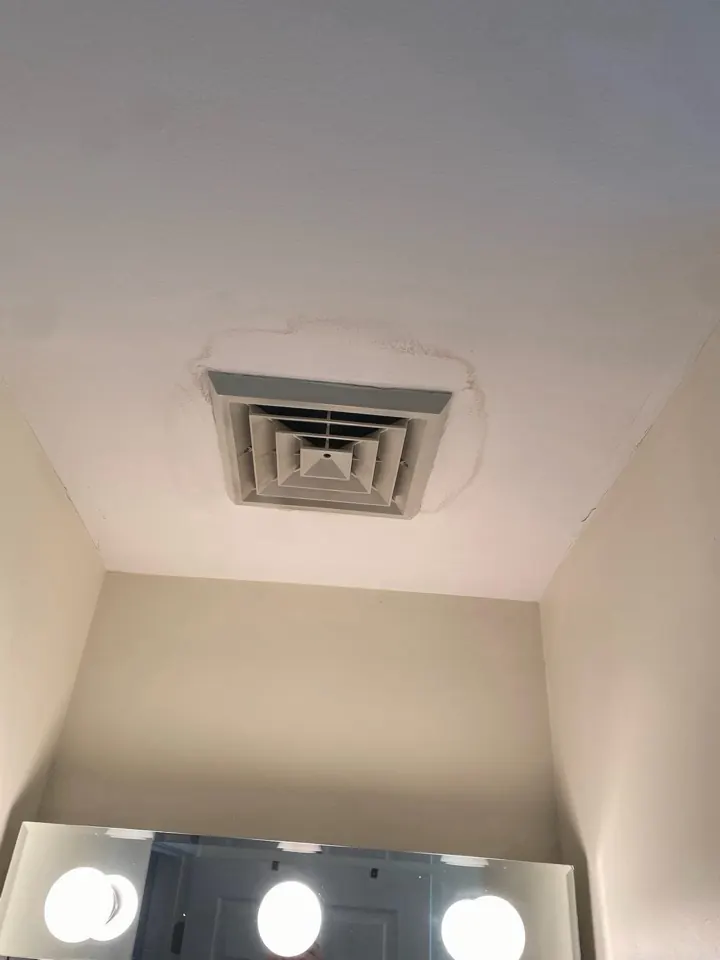
Structural Drying & Dehumidification
Air movers, dehumidifiers, cavity drying, and moisture monitoring — we deploy proper drying equipment for the affected materials and stay until moisture readings confirm the structure is dry.
Drying That Actually Works
Drying is the most-rushed phase of water damage cleanup and the one that fails most often. Cheap setups dry surfaces but leave wet cavities behind walls and under floors. We deploy properly sized air movers, refrigerant or desiccant dehumidifiers based on conditions, and moisture monitoring — equipment stays in place until readings prove the structure is dry.
- Air movers (LGR and centrifugal)
- Refrigerant and desiccant dehumidifiers
- Cavity drying with injection ports
- Moisture-meter readings and documentation
- Proper equipment sizing for affected sq ft
- Hardwood floor and structural drying expertise
Serving homeowners throughout all 70 Bergen County municipalities. View our Bergen County service areas.
Structural Drying & Dehumidification Guides
Equipment sizing and moisture-monitoring calls that dry a house to standard.
Equipment Sizing
- Dehumidifier and air-mover counts come from the affected cubic footage and material classes — drying is a calculation, not a pile of fans.
- Dense materials (plaster, hardwood, subfloor) dry on different curves than drywall; equipment placement follows the moisture map.
- Daily meter readings prove progress and dictate equipment moves — the difference between drying and waiting.
- LGR dehumidifiers pull moisture at the depression points refrigerant units can't reach — equipment class matters as much as count.
- Undersized setups run longer and cost more in secondary damage than right-sized ones cost in equipment.
Planning a project like this? Get an estimate.
Daily Moisture Monitoring
- Calibrated meters read framing, subfloor, drywall cores, and concrete — not just air humidity on a cheap hygrometer.
- Readings are logged daily so trends show whether the drying plan is working or needs more air or grain removal.
- Insurance and rebuild teams get the same numbers; dry standard is a documented threshold, not a conversation.
- Readings are logged per material and location, building the drying curve that proves progress to owners and insurers alike.
- Stalled readings trigger equipment moves or containment changes the same day — drying is managed, not left running.
Planning a project like this? Get an estimate.
Material-Specific Drying
- Hardwood, drywall, concrete, and insulation each have different dry standards and timelines — one humidity number is not enough.
- Cavity and surface readings are tracked separately so we do not call a wall dry when the bay is still wet.
- Equipment placement follows the material map, not a symmetric fan layout for photos.
- Hardwood gets panel systems and patience; drywall gets airflow; plaster gets gentler targets — one protocol per material, not one for the house.
- Salvage-vs-remove calls follow the material's dry-ability: what can reach dry standard stays, what can't is documented and removed.
Planning a project like this? Get an estimate.
Containment & Air Direction
- Plastic containment focuses drying energy on the wet zone instead of conditioning the whole house.
- Zoned airflow moves moisture toward the dehumidifiers rather than spreading it into dry rooms.
- Negative-pressure setups where contamination is involved keep affected-area air from touring the HVAC system.
- Containment shrinks the drying chamber, which multiplies equipment effectiveness inside it.
- Negative pressure keeps affected-area air from migrating through the HVAC into clean rooms.
Planning a project like this? Get an estimate.
Dry Standard Verification
- Materials are cleared only when moisture content is at or below pre-loss equilibrium for that assembly and climate.
- Hidden cavities and edges of the wet zone are re-checked so dry centers do not hide wet perimeters.
- Verification is written before finish trades return — paint and flooring on wet substrate is a callback machine.
- Dry standard is defined against unaffected reference materials in the same house — the objective finish line.
- Final documentation (readings, photos, equipment log) closes the mitigation phase cleanly for the insurance file.
Planning a project like this? Get an estimate.
Cost & Timeline Guide
- Equipment days and monitoring labor are the bill — not a flat dehumidifier rental line.
- Cavity drying, floor mats, and after-hours access change equipment counts more than room count alone.
- Done when meters say so; open-ended rental without daily readings is how costs drift. No rebuild until sign-off.
- Equipment days, not equipment count, drive cost — right-sizing shortens the bill from both ends.
- Typical residential drying runs 3–5 days; dense materials and cool weather extend it, and the meters say when it's done.
Planning a project like this? Get an estimate.
Your Structural Drying Process
Consultation
We arrive, assess saturated materials, take initial moisture readings, and design the drying setup.
Scope & materials
We deploy properly sized air movers and dehumidifiers, set monitoring schedule.
Build
Daily moisture readings, equipment adjustments, and progress documentation until readings hit target.
Final walkthrough
Final moisture verification, equipment removal, and handoff to demolition or rebuild phase.
Frequently Asked Questions
Drywall, framing, subfloor, and insulation hold moisture deep in the material. Surface drying happens fast; cavity drying takes 3-7 days minimum. Pulling equipment too early invites mold and structural decay.
Air movers move warm air across surfaces to evaporate water. Dehumidifiers pull that water out of the air so it can be removed from the building. Both are needed in proper proportion.
Yes. Daily moisture readings on framing, drywall, and subfloor; equipment adjusted as readings drop; documentation provided for insurance.
Sometimes. Engineered floors and shorter-saturation events have a chance. Solid hardwood that sits saturated for more than a day usually cups, crowns, or buckles. We assess and recommend save-or-replace.
Yes. Bergen Restoration is a registered New Jersey Home Improvement Contractor (NJHIC# 13VH08865500) with commercial general liability and workers' compensation coverage. Documentation is available on request, and homeowners should verify credentials before hiring any contractor.
Wood framing dried into the low-to-mid teens percent moisture content and readings that match unaffected reference areas — targets by material, verified by meter, not by touch.
Air movers push wet air off surfaces; dehumidifiers pull it from the room — placed as a system to the moisture map. Machines in the wrong spots dry the meter you're looking at and not the wall cavity.
Often, when drying starts fast — panel mats and controlled dehumidification pull cupping back over days. Waiting a week decides the answer for you.
No — cavities can dry through injection systems and baseboard-line vent holes when caught early. Flood cuts happen when saturation or category demands them, not by default.
Metered readings logged by location, equipment adjusted, and the drying curve tracked until targets hold — the log is also your claim's proof that drying was real.
That's what closing-day verification prevents: reference-matched readings across every affected assembly before rebuild starts. Wet pockets found later mean reopening — which is why we don't skip the boring metering.
Part of our Water Damage Restoration, Bergen County NJ service family — explore Basement Water Damage, Water Damage Rebuild, Burst Pipe Cleanup, Emergency Response, Kitchen Rebuild, Storm & Flood Damage, and Demo & Rebuild.
Get Your Estimate
Reach us by phone or email and tell us about your structural drying project. We will follow up with the next best step for your home.
Commercial general liability and workers’ compensation coverage. Documentation available on request.
Let's Talk About Your Project
Tell us what you have in mind — we'll follow up with a plan.