
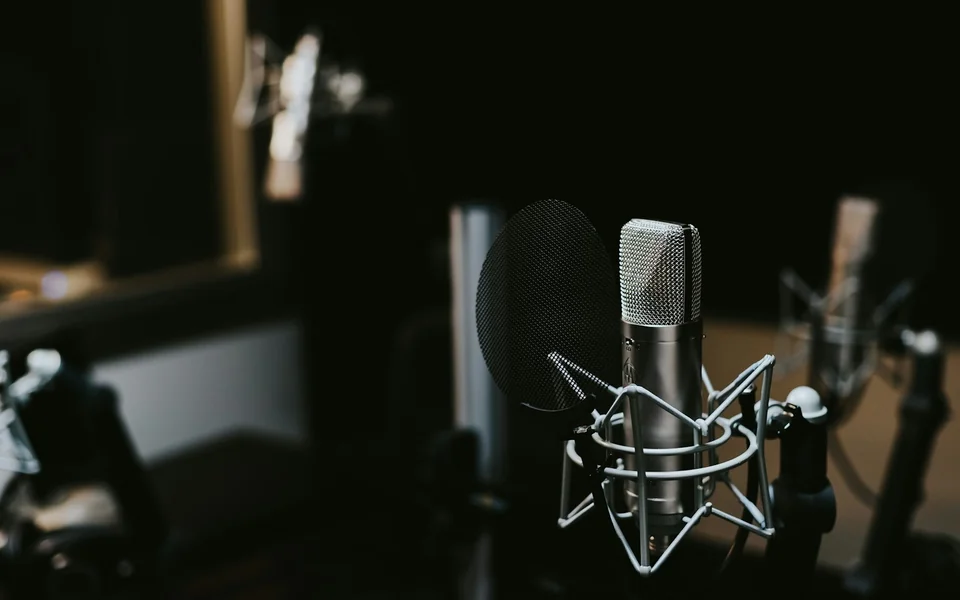
Podcast Studio & Sound Room
Dedicated podcast studios, streaming rooms, and sound-isolated recording spaces — acoustic treatment, resilient ceiling clips, decoupled walls, cable-managed desks, and controlled video-call lighting for clean recording and live streaming.
Recording-Grade Podcast Studios & Sound Rooms
Podcast and streaming rooms need actual acoustic engineering, not foam squares stuck to drywall. We decouple walls where needed, treat first-reflection points, size the room for the voice style you record, and manage cables, desks, and lighting so the studio is ready to shoot out of the box.
- Decoupled walls and resilient ceiling clips
- First-reflection acoustic panels and bass traps
- Cable-managed desks and rack drops
- Dedicated HVAC or mini-split for quiet airflow
- Controlled lighting for video calls and streaming
- Wired networking and low-latency connectivity
Serving homeowners throughout all 70 Bergen County municipalities. View our Bergen County service areas.
Podcast Studio & Sound Room Guides
What we plan and verify before construction, so the room sounds clean on day one.
Podcast Studio Planning Guide
- Format (audio, video, hybrid), guest count, and noise sources decide isolation depth and room choice.
- Basement vs spare room placement trades HVAC noise, exterior noise, and ceiling height differently.
- Usage plan comes before gear lists — a solo voice booth is not a three-mic video set.
- Guest count drives everything: solo booths, two-across tables, and four-mic rooms are three different buildouts.
- Video changes the room: what's behind the chairs matters as much as what absorbs beside them.
Planning a project like this? Get an estimate.
Soundproofing and Acoustic Treatment
- Treatment (absorbers, diffusion, bass traps) tunes what the microphone hears inside the room; soundproofing — isolation by mass, decoupling, and sealing — controls what crosses the walls in either direction.
- Most home studios need heavy treatment and only modest isolation — a quiet house at recording hours does half the isolation job free.
- Budget order: seal the door, treat first reflections and corners, then escalate isolation only if the recordings still pick up the house.
- Corners eat bass — traps there fix the boom that makes home recordings sound amateur.
- The quietest room in the house at recording hours beats the biggest room — placement is half the isolation budget.
Planning a project like this? Get an estimate.
Microphone, Desk & Camera Layout
- Mic distance from reflective walls, host/guest spacing, and boom clearance are drawn before furniture is bought.
- Desk depth must fit interface, keys, and mic arm without crowding the camera frame.
- Camera lines and eye height are set with seating so video episodes do not need a rebuild later.
- Boom arms clear the desk and keep mic technique consistent across episodes.
- Monitor placement avoids reflective bounce back into mics — screens are acoustic mirrors.
Planning a project like this? Get an estimate.
Lighting and Video Background Design
- Key and fill lighting avoid hot spots on the back wall; color temperature stays consistent across cameras.
- Background (panels, shelves, brand wall) is designed as a set, not leftover storage in frame.
- Cable and dimmer control keep lights off the audio circuit to reduce noise.
- Key light at 45 degrees, fill opposite, both dimmable — the two-light setup that makes webcams look professional.
- Practical lamps in frame add depth on camera while the real work happens off-camera.
Planning a project like this? Get an estimate.
Electrical, Data & Cable Coordination
- Dedicated outlet groups keep audio interfaces off dirty shared circuits that introduce hum.
- Separate lighting and video loads, plus Ethernet drops at desk and rack, are planned before acoustic panels close the walls.
- Conduit or pull paths for future cable changes beat fishing finished acoustic rooms later.
- Audio runs cross power at right angles, never parallel — hum prevention is cable geometry.
- A dedicated circuit for the rig keeps refrigerator kick-on clicks out of recordings.
Planning a project like this? Get an estimate.
Cost & Timeline Guide
- Acoustic treatment, isolation, and electrical for gear drive cost more than furniture and paint.
- Door seals, HVAC noise control, and power quality for recording gear are the professional-grade adders.
- Electrical and possible low-voltage; 3–8 weeks depending on isolation depth.
- Treatment-first budgets beat gear-first budgets — a room upgrade outperforms a mic upgrade in a bad room every time.
- Most studio conversions run 2–4 weeks; isolation carpentry is the long pole when it's in scope.
Planning a project like this? Get an estimate.
Your Podcast Studio & Sound Room Process
Consultation
We review how you record, guests per show, whether video is part of the format, and current noise sources in the basement.
Scope & materials
We finalize wall assembly, acoustic treatment plan, HVAC or mini-split strategy, desk and rack layout, and lighting.
Build
Crew executes decoupled framing, soundproofing, drywall, acoustic treatment, electrical, networking, and desk build-outs.
Final walkthrough
Acoustic tuning, equipment check-in, walkthrough, and punch-list closeout.
Frequently Asked Questions
For 2026 in Bergen County, basic podcast rooms (acoustic treatment + desk + lighting on an existing basement room) run $6,000–$15,000. Full sound-isolated studios with decoupled walls, resilient ceiling, and dedicated HVAC run $25,000–$60,000+. Pricing and timelines are planning ranges.
Different problems. Acoustic treatment fixes reflections inside the room (panels, bass traps). Sound isolation keeps outside noise out and inside sound in (decoupled walls, resilient ceiling, seals). Podcast rooms typically need both if they share walls with living spaces.
For projects that require permits, we coordinate permit paperwork, trade documentation, and inspection scheduling with your town and licensed professionals where required. New electrical circuits, HVAC additions, and major framing trigger permits.
Acoustic treatment on existing room: 2–3 weeks. Full sound-isolated studio with framing, HVAC, and AV: 6–10 weeks.
Yes. Bergen Restoration is a registered New Jersey Home Improvement Contractor (NJHIC# 13VH08865500) with commercial general liability and workers' compensation coverage. Documentation is available on request, and homeowners should verify credentials before hiring any contractor.
Mass and decoupling stop sound: double drywall with damping compound, isolated framing, solid-core doors with seals. Foam panels only tame echo inside the room. Most 'soundproofing' disappointments come from buying foam when the problem needed mass.
Often, yes — small rooms treat more predictably than big ones. The constraints are ventilation (a sealed room needs quiet airflow) and enough depth for a desk, an interviewee, and a camera line if you record video.
Lined duct runs, low-velocity registers, and locating the return outside the room. A silent room with a roaring vent isn't silent — airflow design is part of the build, not an afterthought.
Dedicated circuits for the rig, isolated-ground receptacles where interference shows up, and plenty of outlets where gear actually lives — through licensed trades. Extension-cord studios read as amateur on camera.
That's the usual design brief: acoustic treatment that looks like architecture, a desk wall that shoots well, and a fold-away or daybed option. Purpose-built doesn't have to mean single-purpose.
We rough in dimmable, flicker-free ceiling and wall circuits placed for camera angles; key lights and fills stay portable. Built-in power and mounting points in the right places beat a floor full of stands.
Part of our Basement Renovation service family.
Get Your Estimate
Reach us by phone or email and tell us about your podcast studio project. We will follow up with the next best step for your home.
Commercial general liability and workers’ compensation coverage. Documentation available on request.
Let's Talk About Your Project
Tell us what you have in mind — we'll follow up with a plan.