
Roof repair before rain means doing the work while the slope is still dry enough for a crew to stand on it safely. Bergen’s wet stretch is fall nor’easters — long rain plus wind that lifts shingles and opens flashing — then freeze–thaw and ice dams into winter. This guide supports roof repair in Bergen County.
The dry weeks are the best time to repair a roof
A small repair on a dry, moderate day is often hours, sometimes a day. Once the slope is wet or iced, the same job can turn into a long wait for the roof to dry before work can begin or resume. An active leak usually gets covered until it dries — while your ceiling is already wet.
Fixing a small spot on the roof can land in the hundreds to the low thousands, depending on access and what the crew finds under the shingles. Homeowners book those fall dates from late spring onward. Wait until after the first long rain and you’ll be booking a repair that may get delayed again by weather.
Do you need repairs? Look from the yard, and from the attic if you can get there
Don’t climb a steep or two-story roof. Call someone who brings a ladder and a harness.
From the ground, look for missing or lifted shingles, a cracked rubber collar around a plumbing pipe, and gutters pulling away or dumping against the siding. In wooded yards in Ridgewood, Wyckoff, Mahwah, and parts of Paramus, leaves pack the eave and push water under the edge. That can stain a soffit — but the fault may be the gutter, not the roof.
If you can get into the attic safely, look for wet insulation, staining on the wood, or daylight at the edge of a pipe or a chimney. Wet wall stains are usually downhill of that. Caulking the ceiling doesn’t close the roof, and the wall will most likely get wet again after the next heavy rain.
The repair follows the water
Water usually comes in higher than where you see it — a pipe boot, a valley on a split-level or colonial, flashing at a chimney, a shingle the wind folded. Putting sealant on the stain doesn’t close the path the water followed. A real repair removes the part of the roof that failed, checks whether the wood underneath is sound, and slides new flashing and underlayment under the shingles above so water runs over the patch.
Match the shingles already on the house. A cheap, thin patch on a thicker roof tends to fail faster than the older shingles around it.
Should you wait, repair, or replace?
If the roof is relatively new, dry inside, and clean from the yard and the attic, you don’t need a visit just because fall is coming.
If stains show only at the eave after a freeze, and the attic is leaky and cold, new shingles may not stop it. Heat and air leaking into the attic melt snow at the eave and form an ice dam — so the attic air leak is the real fix, and that’s a different job.
If the roof is old and leaking in more than one place, a patch before the storm may buy you a dry winter. Ask on the visit whether you’re buying time or whether planning for a replacement is the better spend.
If the ceiling is already dripping, put a bucket under it and call. Don’t get on a wet roof. Our crews will cover the hole from outside when they can do it safely, then make the permanent repair on a dry day. Start with roof leak repair.
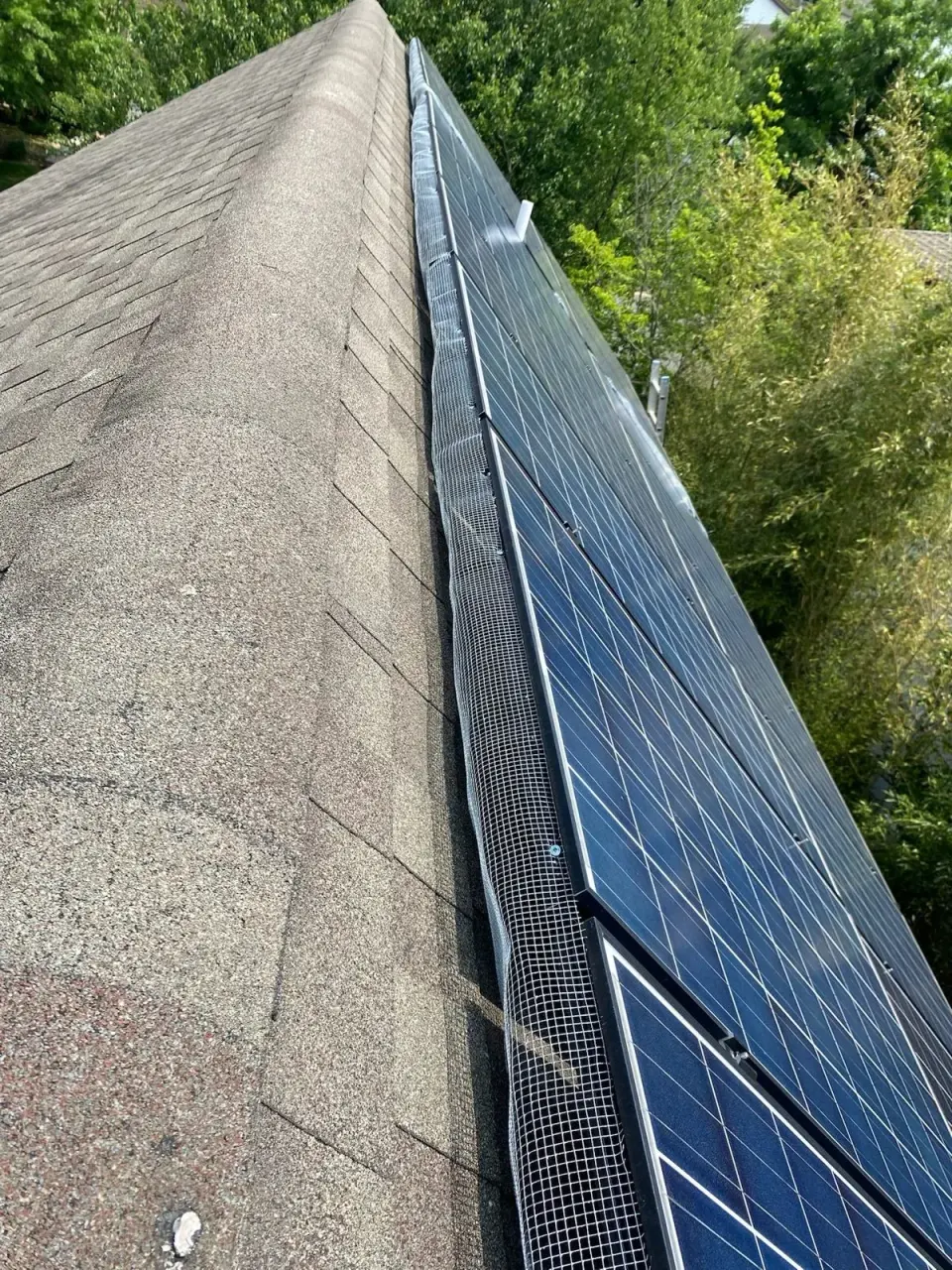
Time the visit while the slope is dry
Walk the yard while it’s dry. If you see lifted shingles, a split boot, or a gutter dumping water at the wall, get someone out while they can still work. That’s roof repair before rain: a dry-day visit instead of a rushed cover in November.
Bergen Restoration can look at the roof, tell you whether it’s a spot repair or a larger conversation, and schedule the work before the first long rain.
Service overview: roof repair in Bergen County.